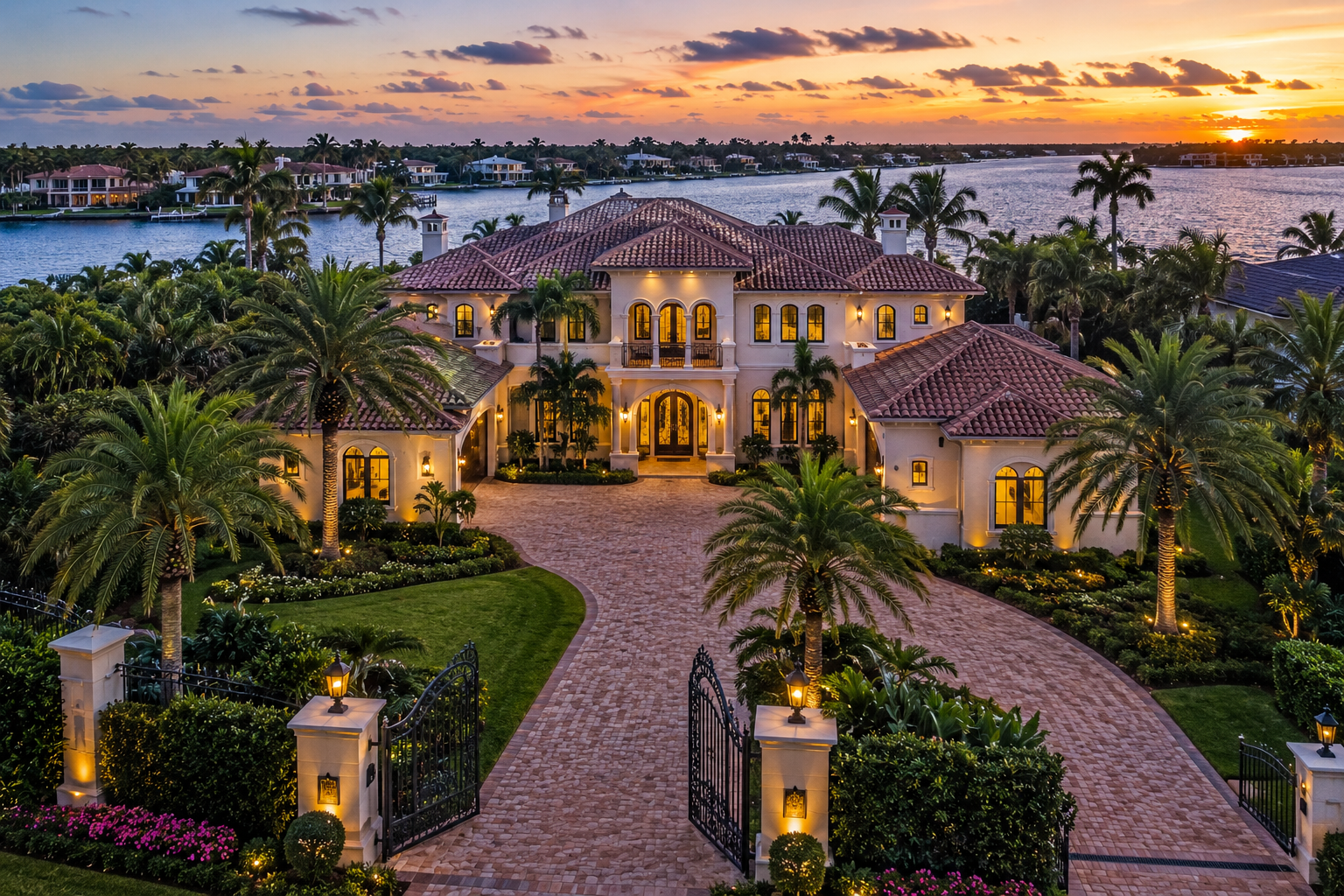
Florida has become one of the most sought-after residential real estate markets in the United States. Its warm climate, coastal lifestyle, expanding economy, and wide variety of housing options continue to attract homebuyers, renters, retirees, families, and real estate investors from across the country.
From luxury waterfront communities in South Florida to rapidly growing suburban neighborhoods around Orlando and Tampa, Florida offers residential areas suited to a wide range of lifestyles and budgets. Strong demand is often supported by factors such as employment opportunities, population growth, schools, healthcare access, transportation, recreational facilities, and overall quality of life.
For anyone planning to relocate, purchase a home, or research Florida real estate opportunities, understanding which areas attract consistent housing demand can be extremely useful. While market conditions can change from one neighborhood to another, the following 15 locations are widely recognized for their appeal and residential activity.
Why Are Florida Residential Areas in High Demand?
Several factors contribute to Florida’s strong residential real estate demand. The state’s warm weather, coastal communities, and diverse lifestyle options attract people from different parts of the United States and abroad.
Florida also has major employment centers in industries such as healthcare, tourism, finance, technology, logistics, and professional services. Cities including Miami, Orlando, Tampa, and Jacksonville have developed into important economic hubs.
Another factor is the variety of housing available. Buyers can choose from single-family homes, townhouses, condominiums, luxury estates, gated communities, and master-planned developments. This diversity allows different types of buyers to find properties that match their needs and budgets.
Top 15 Best High-Demand Residential Areas in Florida
1. Miami
Miami remains one of Florida’s most internationally recognized residential markets. The city combines a strong urban lifestyle with beaches, entertainment, dining, business opportunities, and luxury real estate.
Neighborhoods such as Brickell, Coral Gables, Coconut Grove, and Miami Beach attract significant interest from professionals, families, entrepreneurs, and international buyers. The area offers everything from high-rise condominiums and waterfront residences to luxury single-family homes.
Miami’s international business environment and access to financial, technology, tourism, and entertainment industries continue to support housing demand. Buyers considering Miami should compare neighborhoods carefully because property prices, lifestyle, transportation, and housing types can vary substantially.
2. Orlando
Orlando is one of Florida’s most active residential markets and has attracted substantial interest from families, professionals, and relocation buyers. Although the city is internationally known for tourism, its economy also includes healthcare, technology, education, aviation, and professional services.
Popular residential areas include Lake Nona, Winter Park, Dr. Phillips, and surrounding suburban communities. These locations offer a mix of single-family homes, apartments, townhouses, and newer master-planned developments.
Orlando can also appeal to buyers looking for a combination of employment opportunities, entertainment, family amenities, and relatively diverse housing options.
3. Tampa
Tampa has become a major destination for people seeking employment opportunities and a coastal Florida lifestyle. The city has experienced significant residential development, particularly around downtown and surrounding suburban communities.
Areas such as Hyde Park, South Tampa, Westchase, and parts of the Tampa Bay region attract buyers looking for attractive neighborhoods with access to employment centers, restaurants, shopping, schools, and recreational facilities.
Tampa’s combination of urban amenities and nearby waterfront communities makes it appealing to both families and working professionals.
4. Jacksonville
Jacksonville stands out for its large geographic footprint, diverse neighborhoods, and comparatively broad range of housing options. The city has developed a strong economy supported by logistics, healthcare, finance, manufacturing, and other industries.
Residential areas such as Riverside, San Marco, and Ponte Vedra Beach offer different lifestyle choices, from historic urban neighborhoods to upscale coastal communities.
Jacksonville can be particularly attractive to buyers who want access to beaches and metropolitan amenities while exploring housing options across a large and diverse market.
5. Fort Lauderdale
Fort Lauderdale is well known for its beaches, waterways, boating culture, and upscale residential communities. Its location between Miami and Palm Beach provides residents with access to major employment and entertainment centers.
High-demand areas include Victoria Park, Coral Ridge, Las Olas Isles, and waterfront neighborhoods. Housing options range from luxury condominiums and townhouses to waterfront single-family homes.
The city’s combination of coastal living, business opportunities, restaurants, and recreational activities continues to attract buyers and renters.
6. Sarasota
Sarasota is a popular Gulf Coast destination known for its beaches, cultural attractions, outdoor activities, and relaxed lifestyle. The area has attracted retirees, families, professionals, and second-home buyers.
Communities such as Lakewood Ranch and Palmer Ranch offer modern residential developments, parks, shopping centers, recreational facilities, and a variety of housing options.
Sarasota’s appeal comes from its combination of coastal amenities and suburban communities, giving residents several different lifestyle choices within the broader market.
7. Naples
Naples is one of Florida’s best-known luxury residential destinations. Located along the Gulf Coast, the city is recognized for upscale neighborhoods, golf communities, beaches, shopping, dining, and resort-style living.
Luxury buyers and retirees are particularly attracted to communities offering gated access, golf courses, waterfront properties, and high-end amenities.
Although housing costs can be considerably higher in premium neighborhoods, Naples continues to attract buyers seeking an established luxury lifestyle and strong access to recreational and healthcare facilities.
8. St. Petersburg
St. Petersburg has developed into an increasingly popular residential destination within the Tampa Bay region. The city combines waterfront living with an active arts, dining, and cultural scene.
Downtown St. Petersburg, Old Northeast, and Snell Isle are among the areas that attract buyers interested in walkability, waterfront access, historic architecture, and modern residential developments.
The city’s location also provides convenient access to Tampa and other communities throughout the Tampa Bay metropolitan area.
9. Palm Beach
Palm Beach is synonymous with upscale coastal living and prestigious real estate. The community is known for elegant homes, luxury condominiums, oceanfront properties, boutique shopping, and high-end hospitality.
Its exclusive atmosphere attracts affluent buyers looking for privacy, premium amenities, and proximity to beaches and cultural destinations.
Palm Beach represents a premium segment of the Florida housing market, making it particularly relevant for buyers researching luxury real estate and high-value residential properties.
10. Fort Myers
Fort Myers has become an increasingly popular residential destination for people looking for a more relaxed lifestyle along Florida’s Gulf Coast.
The city offers a variety of housing options, including single-family homes, condominiums, townhouses, and planned communities. Areas such as Gateway and McGregor provide access to shopping, healthcare, recreational facilities, and everyday services.
Fort Myers can be appealing to retirees, families, and buyers comparing coastal communities with different housing price points.
11. Boca Raton
Boca Raton is known for its upscale neighborhoods, attractive public spaces, business environment, and coastal lifestyle. The city offers a mixture of luxury homes, condominiums, townhouses, and gated communities.
Popular destinations such as Mizner Park provide residents with access to restaurants, shopping, entertainment, and cultural activities. Boca Raton also attracts families and professionals interested in established neighborhoods and quality amenities.
Its combination of residential stability, coastal access, and upscale lifestyle keeps it on the radar of many Florida homebuyers.
12. Coral Gables
Coral Gables is one of the most distinctive residential communities in South Florida. Located near Miami, the city is recognized for its Mediterranean-inspired architecture, tree-lined streets, established neighborhoods, and attractive residential properties.
The community offers a variety of homes, including historic residences, luxury estates, condominiums, and modern properties.
Its proximity to Miami’s employment and business districts allows residents to enjoy a quieter residential environment while remaining close to major urban amenities.
13. Delray Beach
Delray Beach has become increasingly popular for its combination of coastal living, entertainment, dining, and community atmosphere.
Atlantic Avenue serves as one of the city’s major destinations, featuring restaurants, boutiques, nightlife, and local events. Residential options include condominiums, townhouses, single-family homes, and luxury properties.
The area’s proximity to beaches and its active downtown environment make Delray Beach appealing to both permanent residents and buyers looking for a second home.
14. Winter Park
Winter Park is located just outside Orlando and offers a different residential experience from the larger metropolitan area. The community is known for its historic character, tree-lined streets, parks, lakes, restaurants, and established neighborhoods.
The area attracts families and professionals who want convenient access to Orlando while preferring a quieter community environment.
Housing options range from traditional single-family homes to condominiums and upscale residences, giving buyers multiple choices depending on their preferences.
15. Gainesville
Gainesville is a major educational and healthcare center in North Central Florida. The presence of the University of Florida contributes to the city’s active population and diverse housing market.
The city offers a combination of apartments, townhouses, single-family homes, and student-oriented housing. Its comparatively accessible housing options can appeal to students, professionals, families, and buyers seeking a smaller metropolitan environment.
Gainesville’s educational institutions, healthcare sector, cultural activities, and outdoor recreation contribute to its residential appeal.
What Makes a Residential Area High in Demand?
Housing demand is influenced by several factors rather than a single characteristic. Buyers and renters often consider employment opportunities, school quality, transportation, healthcare access, neighborhood amenities, safety, housing availability, and overall lifestyle.
Areas near major employment centers can benefit from convenient commuting options, while neighborhoods with strong schools and recreational facilities may attract families. Coastal and waterfront communities can appeal to buyers looking for lifestyle properties, although these areas often come with higher housing costs.
For real estate investors, additional factors such as rental demand, vacancy rates, property taxes, insurance costs, local regulations, and potential operating expenses should also be evaluated before making a purchase.
Florida Residential Real Estate Market: What Buyers Should Watch
Florida’s housing market can vary considerably between cities and even between individual neighborhoods. Population changes, new construction, mortgage rates, insurance costs, employment conditions, and local housing inventory can all influence prices and rental demand.
Buyers should avoid evaluating a property based solely on its location or recent price movement. Comparing comparable properties, reviewing neighborhood-level market data, and understanding total ownership costs can provide a more realistic picture of a potential purchase.
For investors, it is also important to distinguish between expected appreciation and actual cash-flow performance. A property with strong demand does not automatically guarantee a particular investment return.
How to Choose the Right Residential Area in Florida
The best residential area depends on an individual’s lifestyle, budget, employment situation, and long-term goals.
Homebuyers should consider:
- Housing prices and monthly ownership costs
- Property taxes and insurance
- School districts and family amenities
- Commute times and transportation options
- Access to healthcare and essential services
- Local employment opportunities
- Neighborhood development and housing supply
- Rental demand, if the property may be rented
- Flood and storm-related considerations
- HOA fees and community restrictions
Comparing several neighborhoods before making a decision can help buyers identify a property that fits both their lifestyle and financial plans.
FAQs About the Best High-Demand Residential Areas in Florida
1. Why are so many people moving to Florida?
Florida attracts residents because of its warm climate, coastal lifestyle, employment opportunities, recreational options, and diverse residential communities. Different cities offer different advantages, allowing families, professionals, retirees, and other buyers to find locations that match their needs.
2. Which Florida cities are popular with families?
Orlando, Tampa, Jacksonville, Winter Park, and communities around Sarasota are popular choices for families. Buyers often look for factors such as school quality, parks, healthcare, housing options, and access to employment centers when comparing these areas.
3. Is Florida real estate a good investment?
Florida can offer attractive real estate opportunities, particularly in markets with population growth, employment expansion, and strong housing demand. However, investment performance varies by property and location. Buyers should evaluate purchase price, financing, taxes, insurance, maintenance, rental income, and local market conditions before investing.
4. Which Florida areas have experienced strong population growth?
Major metropolitan areas including Orlando, Tampa, Jacksonville, and parts of Southwest Florida have attracted significant residential interest. Growth can vary over time, so buyers should review current city- and neighborhood-level data before making decisions.
5. What should I consider when choosing a residential area in Florida?
Important factors include housing affordability, employment opportunities, schools, healthcare, transportation, neighborhood amenities, insurance costs, property taxes, and long-term lifestyle preferences. Buyers should also research local development plans and housing inventory.
6. Are coastal cities in Florida more expensive?
Coastal and waterfront properties often command premium prices because of location, views, amenities, and limited waterfront supply. However, pricing varies significantly by city and neighborhood, and inland communities can provide more housing choices at different price points.
7. Which Florida areas are popular with retirees?
Naples, Sarasota, Fort Myers, and other Gulf Coast communities are popular among retirees because of their warm climate, recreational opportunities, healthcare access, and relaxed lifestyle. Individual preferences and healthcare needs should be considered when selecting a retirement location.
8. Is housing expensive in Florida?
Housing costs vary widely throughout Florida. Premium coastal markets and luxury communities can be considerably more expensive, while some inland and suburban areas offer a broader range of price points. Buyers should compare total monthly ownership costs rather than looking only at the listing price.
9. What types of homes are available in Florida?
Florida offers a wide range of residential properties, including single-family homes, condominiums, townhouses, gated-community residences, waterfront homes, and luxury estates. The available housing mix depends heavily on the city and neighborhood.
10. Are Florida residential areas suitable for long-term living?
Many Florida communities can be suitable for long-term living, depending on a person’s lifestyle, budget, employment needs, and access to services. Before relocating, buyers should evaluate healthcare, transportation, insurance, schools, climate-related considerations, and the overall cost of living.
Conclusion
Florida continues to attract homebuyers, renters, retirees, professionals, and real estate investors because of its diverse residential markets and lifestyle opportunities. From the international appeal of Miami and the growing communities around Orlando and Tampa to the luxury markets of Naples and Palm Beach, the state offers residential options across a broad range of budgets and preferences.
The 15 areas covered in this guide stand out for their combination of housing demand, amenities, employment access, lifestyle benefits, and community development. However, the best location ultimately depends on individual priorities.
Whether you are planning to buy a primary residence, relocate to Florida, purchase a rental property, or simply compare different communities, researching neighborhood-level pricing, housing inventory, insurance costs, taxes, and local market conditions is essential. A careful comparison can help you make a more informed real estate decision in Florida’s evolving housing market.