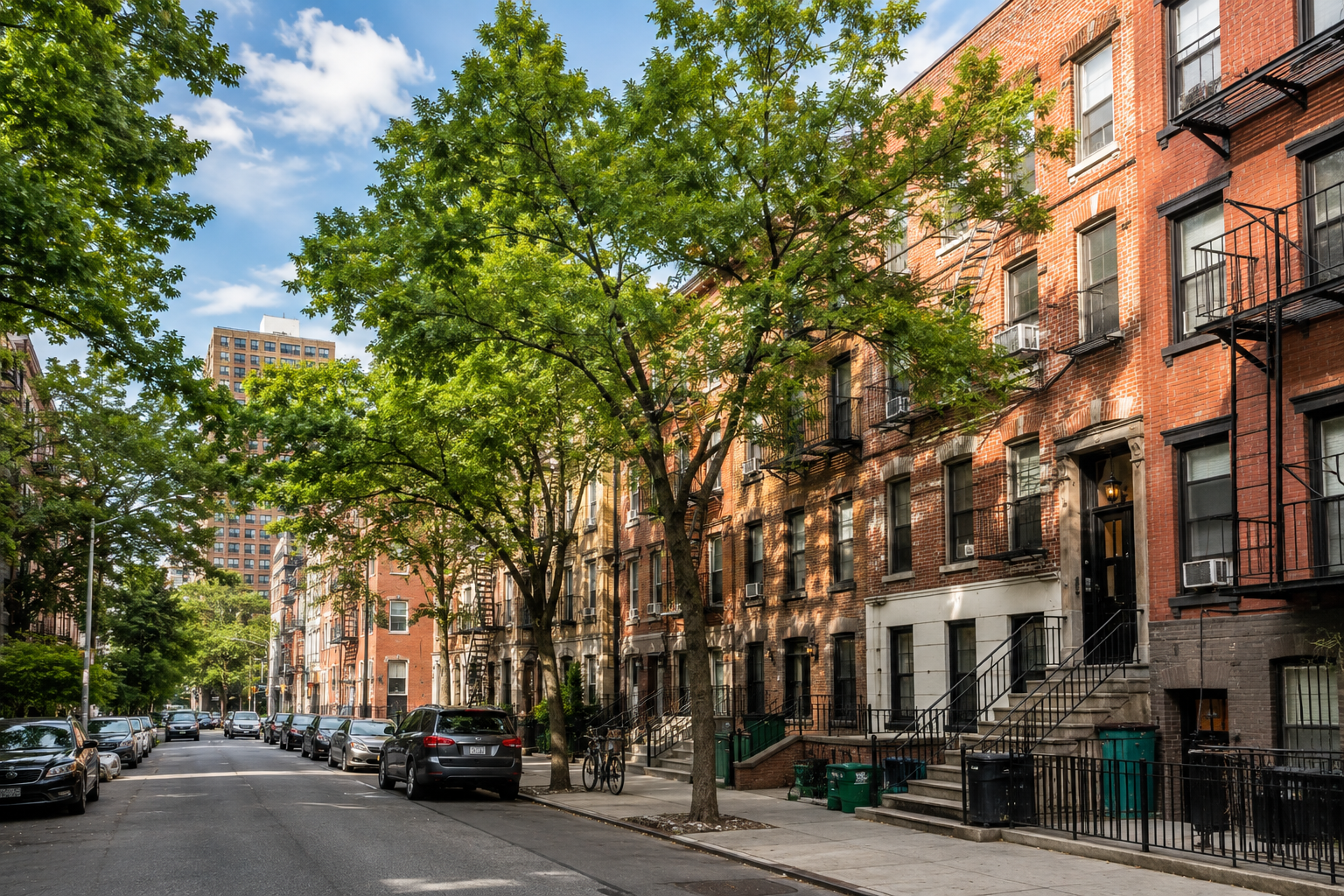
New York remains one of the most attractive real estate markets in the United States, offering residential communities for a wide range of lifestyles, budgets, and long-term goals. From the fast-paced neighborhoods of New York City to peaceful suburban communities and growing regional markets, buyers have many options when choosing where to live.
The most desirable residential areas are often defined by more than just home prices. Factors such as transportation, schools, employment opportunities, neighborhood amenities, housing availability, quality of life, and future development can all influence residential demand.
For homebuyers, choosing the right location can make a significant difference in everyday living and long-term property value. Investors may also pay close attention to neighborhoods with stable housing demand, strong rental activity, and potential for future growth.
In this guide, we explore the Top 10 Best High-Demand Residential Areas in New York. These locations stand out for their combination of livability, accessibility, housing options, and continued interest from buyers and residents.
Top 10 Best High-Demand Residential Areas In New York
1. Manhattan
Manhattan continues to be one of the most sought-after residential markets in New York. Its central location, extensive transportation network, employment opportunities, cultural attractions, and diverse housing options make it particularly attractive to professionals, executives, families, and international buyers.
Popular residential neighborhoods include the Upper East Side, Upper West Side, Tribeca, and Battery Park City. Residents benefit from convenient access to Central Park, restaurants, shopping districts, museums, entertainment venues, and major business centers.
Although Manhattan generally has a higher cost of housing than many other parts of New York, its limited space and consistently strong demand continue to make it an important residential and real estate market.
2. Brooklyn
Brooklyn has become one of the most popular residential destinations in the New York metropolitan area. The borough combines historic architecture, modern developments, waterfront communities, parks, restaurants, and a diverse range of housing options.
Neighborhoods such as Brooklyn Heights, Park Slope, Williamsburg, and DUMBO attract different types of residents. Families often appreciate the community atmosphere and access to parks, while young professionals are drawn to restaurants, cultural venues, and convenient transportation.
With multiple subway connections and easy access to Manhattan, Brooklyn offers a combination of urban convenience and neighborhood character that continues to support strong housing demand.
3. Queens
Queens is one of New York’s most diverse residential markets and provides a wide selection of neighborhoods for buyers and renters. Forest Hills, Bayside, Long Island City, and Astoria are among the areas that attract significant residential interest.
One of Queens’ major advantages is its variety of housing. Depending on the neighborhood, residents can find apartments, condominiums, townhouses, and single-family homes.
The borough also benefits from extensive transportation connections, making it possible for residents to commute to Manhattan and other major employment centers. Its combination of accessibility, community amenities, and comparatively varied housing costs makes Queens an appealing choice for many households.
4. Scarsdale
Scarsdale, located in Westchester County, is widely known for its established residential neighborhoods, attractive homes, and strong school system. The community is particularly popular among families looking for more space and a quieter environment while remaining within commuting distance of New York City.
Tree-lined streets, parks, local businesses, and well-maintained residential areas contribute to its appeal. The availability of commuter rail service also makes Scarsdale convenient for professionals who work in Manhattan.
For buyers prioritizing education, space, and suburban quality of life, Scarsdale remains an important residential market to consider.
5. White Plains
White Plains offers a blend of suburban living and urban convenience in Westchester County. The city features residential neighborhoods, modern apartment communities, shopping destinations, restaurants, healthcare facilities, and business centers.
Its transportation connections provide access to New York City and surrounding communities, making it attractive to both professionals and families.
White Plains can also appeal to buyers who want access to metropolitan amenities without living directly in Manhattan. The combination of employment opportunities, services, transportation, and housing choices contributes to continued residential interest.
6. Long Island
Long Island contains numerous highly desirable residential communities, including Great Neck, Garden City, Huntington, and Syosset. These areas are known for spacious homes, established neighborhoods, schools, recreational opportunities, and access to beaches and parks.
Many families choose Long Island because it provides more residential space than densely populated parts of New York City. At the same time, commuter rail services connect several communities with Manhattan and other employment centers.
Housing conditions and prices can vary significantly across Long Island, so buyers should evaluate individual communities based on their budget, commute, schools, and lifestyle requirements.
7. Staten Island
Staten Island is an attractive option for buyers who want more residential space while remaining within New York City. Compared with many neighborhoods in Manhattan and Brooklyn, Staten Island offers a greater selection of detached homes and quieter residential streets.
Areas such as Todt Hill and Great Kills are known for larger properties, parks, and a more suburban atmosphere. The borough also provides access to waterfront areas and outdoor recreational spaces.
For families and buyers who prioritize space, privacy, and a slower pace of daily life, Staten Island can be a practical alternative to more densely developed parts of the city.
8. Riverdale, Bronx
Riverdale offers a distinctive residential environment in the Bronx. The neighborhood is known for tree-lined streets, green spaces, larger residential buildings, and scenic views in certain areas.
Its relatively peaceful atmosphere attracts families, professionals, and residents who prefer a less crowded setting while maintaining access to New York City.
Riverdale also provides transportation connections to Manhattan and nearby neighborhoods. The combination of residential character, outdoor space, and city accessibility makes it one of the Bronx’s more notable housing markets.
9. Buffalo
Buffalo provides a different type of opportunity within the New York residential market. Compared with New York City, the city generally offers more accessible housing options and a broader selection of older homes and historic properties.
Buffalo has experienced redevelopment and economic activity across several sectors, contributing to renewed interest in its housing market. Historic architecture, established neighborhoods, universities, healthcare services, and local businesses add to its residential appeal.
For buyers who want to explore a lower-cost housing market within New York State, Buffalo can be worth considering. However, neighborhood conditions and property values can vary considerably, so local research remains important.
10. Albany
Albany, the capital of New York State, offers a combination of employment opportunities, educational institutions, healthcare services, historic neighborhoods, and residential communities.
The city provides a range of housing options, including historic homes, apartments, townhouses, and newer residential developments. Its government, education, healthcare, and service sectors contribute to a relatively diverse local economy.
Compared with New York City, Albany can offer a different cost-of-living profile while still providing access to important employment and community amenities. This makes it an option for professionals, students, families, and retirees seeking a more manageable urban environment.
What Makes a Residential Area Highly Desirable?
Several factors can influence housing demand in a particular New York neighborhood. Buyers should look beyond property prices and consider the overall quality of the community.
Transportation
Easy access to subway stations, commuter rail, buses, highways, and major employment centers can significantly affect a neighborhood’s appeal. Convenient transportation can make daily commuting easier and may contribute to sustained housing demand.
Schools and Education
Families often prioritize access to reputable schools and educational institutions when selecting a neighborhood. School quality can also influence buyer interest and housing demand in family-oriented communities.
Housing Options
A neighborhood with different property types can attract a broader range of buyers. Apartments, condominiums, townhouses, and single-family homes provide choices for households with different budgets and lifestyles.
Parks and Recreation
Green spaces, parks, waterfront areas, recreational facilities, and walking paths can improve the overall residential experience. These amenities are particularly valuable for families and residents who prioritize outdoor activities.
Employment Opportunities
Proximity to major employment centers can increase demand for housing. Areas located near business districts, hospitals, universities, government offices, and other major employers can be especially attractive to working professionals.
Local Amenities
Restaurants, grocery stores, shopping centers, healthcare facilities, entertainment venues, and other everyday services contribute to neighborhood convenience and livability.
Things to Consider Before Buying a Home in New York
Buying a home is a major financial decision, so prospective buyers should evaluate several factors before choosing a neighborhood.
Start by establishing a realistic budget that includes not only the purchase price but also mortgage costs, property taxes, insurance, maintenance, and other ownership expenses.
It is also helpful to visit potential neighborhoods at different times of the day. This can provide a better understanding of traffic, noise, transportation, local businesses, and the overall environment.
Buyers should also research recent property sales, housing inventory, planned developments, commute times, and local amenities before making a final decision.
Working with a qualified real estate professional and obtaining appropriate legal or financial advice can also help buyers better understand the purchasing process.
FAQs About Best High-Demand Residential Areas In New York
1. Which residential area in New York has the highest property values?
Manhattan is generally associated with some of the highest residential property values in New York. Its limited land availability, central location, major employment centers, luxury housing market, and strong demand from domestic and international buyers contribute to its high property values.
2. Which area is best for families in New York?
Scarsdale, several Long Island communities, parts of Brooklyn, and residential neighborhoods such as Riverdale can be attractive for families. Buyers should compare schools, housing costs, transportation, parks, and community amenities before choosing a specific location.
3. Is Brooklyn a good place to buy a home?
Brooklyn remains a popular residential market because of its diverse neighborhoods, transportation connections, cultural attractions, parks, and variety of housing. However, prices and property conditions can vary substantially from one neighborhood to another.
4. Which areas of New York are more affordable?
Buffalo and Albany generally provide more affordable housing opportunities than many parts of New York City. Queens, the Bronx, Staten Island, and certain Long Island communities may also offer options at different price levels depending on the neighborhood and property type.
5. What should first-time homebuyers consider?
First-time buyers should consider their total budget, mortgage eligibility, property taxes, insurance, maintenance expenses, commute time, neighborhood amenities, and future housing needs. Comparing several properties and communities can help buyers make a more informed decision.
6. Are suburban communities better than city neighborhoods?
Neither option is automatically better. Suburban areas may provide larger homes, more outdoor space, and quieter surroundings, while city neighborhoods often offer shorter commutes, extensive public transportation, restaurants, entertainment, and employment opportunities.
7. Which areas have excellent public transportation?
Manhattan, Brooklyn, Queens, and several Westchester communities such as White Plains and Scarsdale offer strong transportation connections. The best option depends on where someone works, studies, or regularly travels.
8. Is New York a good place for real estate investment?
New York contains several established and emerging real estate markets with different levels of housing demand. However, investment performance depends on purchase price, financing costs, taxes, rental demand, neighborhood conditions, and long-term market trends. Buyers should conduct their own financial analysis before investing.
9. What amenities can increase residential demand?
Transportation, quality schools, healthcare facilities, parks, shopping, restaurants, recreational facilities, and nearby employment opportunities can all contribute to a neighborhood’s desirability. The importance of each factor depends on the needs of local buyers and renters.
10. How can buyers choose the right New York neighborhood?
The best approach is to compare neighborhoods based on budget, commute, housing type, schools, amenities, transportation, and lifestyle preferences. Visiting properties in person and reviewing recent local market information can also help buyers make a more confident decision.
Conclusion
New York offers an exceptionally diverse residential market, ranging from luxury urban neighborhoods in Manhattan to family-oriented suburbs and more affordable cities across the state. Manhattan, Brooklyn, and Queens remain highly sought-after for their accessibility and amenities, while communities such as Scarsdale, White Plains, and Long Island provide attractive suburban alternatives.
Buffalo and Albany also demonstrate that buyers looking for more accessible housing options can explore markets beyond New York City.
Ultimately, the best residential area depends on individual priorities, budget, lifestyle, and long-term plans. By comparing housing costs, transportation, schools, amenities, employment opportunities, and local market conditions, buyers can identify a New York community that fits both their current needs and future goals.