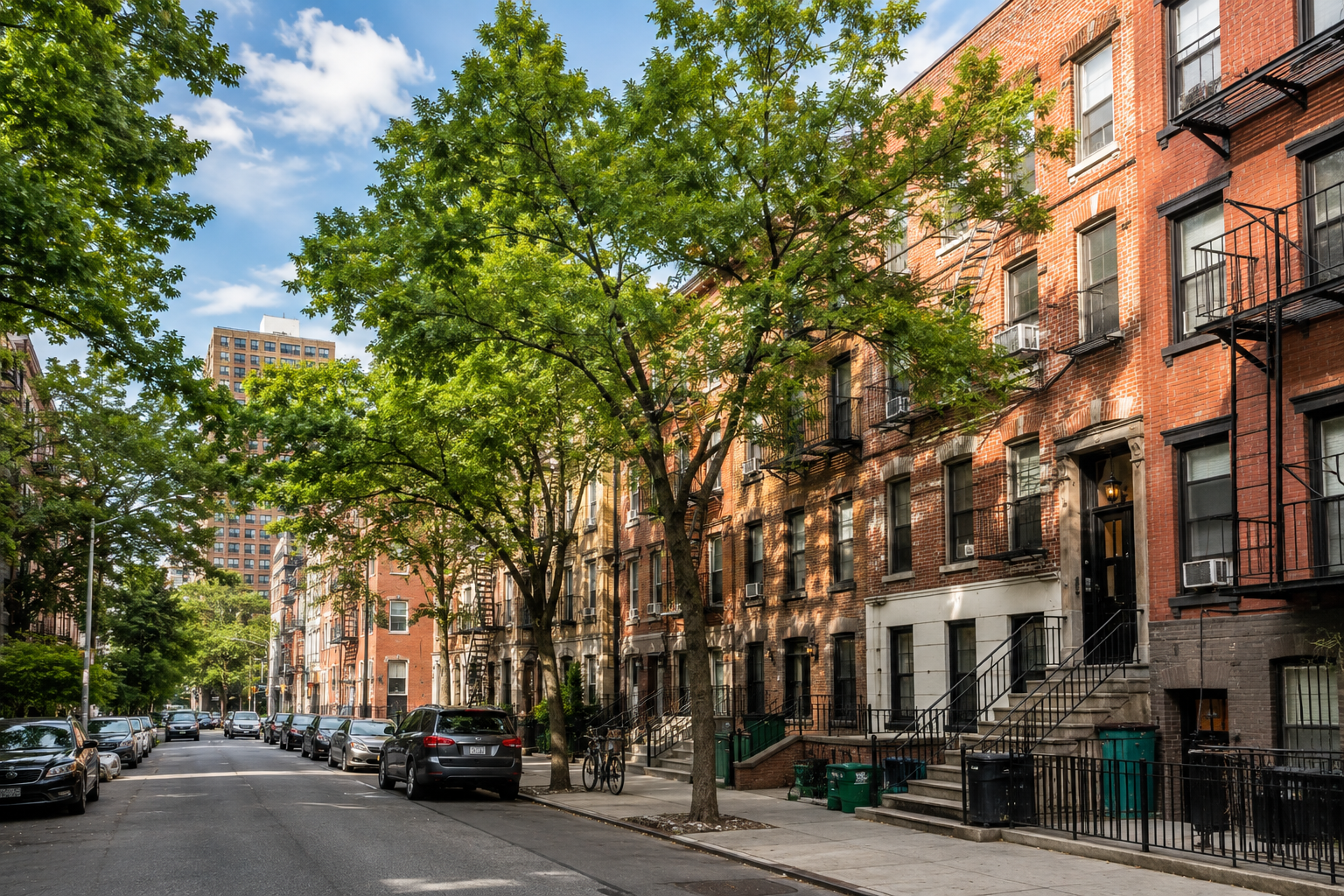
Finding affordable apartments for rent in New York City can be challenging, especially in a market known for high housing costs. However, renters who are willing to explore different boroughs and neighborhoods can still find practical apartments with reasonable rental options.
New York offers a wide range of rental housing, from large residential communities in the Bronx to apartments in Queens and Brooklyn, as well as relatively more affordable options in parts of Manhattan. For many renters, the key is finding the right balance between monthly rent, apartment size, transportation, neighborhood amenities, and commute time.
Affordable rental housing can be particularly important for students, young professionals, families, and newcomers who want to live in New York without spending an excessive portion of their income on housing.
In this guide, we explore 15 neighborhoods and residential communities worth considering when searching for affordable apartments for rent in New York. Rental prices and availability can change frequently, so prospective renters should always verify current listings, eligibility requirements, and lease terms before making a decision.
1. Parkchester Apartments – Bronx
Parkchester is one of the Bronx’s best-known large residential communities and has long attracted renters looking for a combination of affordability, space, and convenience.
The neighborhood includes a variety of apartment layouts along with landscaped courtyards, local shops, restaurants, schools, and everyday services. Public transportation connections make it possible for residents to travel to other parts of the Bronx and Manhattan.
For renters who prioritize practical housing and access to essential amenities, Parkchester can be an attractive area to explore.
2. Fresh Meadows – Queens
Fresh Meadows offers a quieter residential atmosphere compared with many of New York City’s denser neighborhoods.
The Queens community includes apartment buildings and other residential housing options, along with shopping centers, parks, schools, and local services. Its suburban-style environment can appeal to families and renters who prefer a less hectic setting.
Housing costs vary by property and apartment type, but Fresh Meadows can be worth considering for renters comparing options outside Manhattan.
3. Stuyvesant Town – Manhattan
Stuyvesant Town is a large residential community in Manhattan known for its landscaped grounds, green spaces, walkways, and family-oriented environment.
Although Manhattan is generally one of the city’s most expensive rental markets, Stuyvesant Town can provide a different housing experience from the luxury high-rise neighborhoods of Midtown and Downtown Manhattan.
Its central location is another advantage, with access to public transportation, restaurants, parks, universities, and employment centers.
4. Co-op City – Bronx
Co-op City is one of the largest residential communities in New York City and provides a substantial selection of apartment housing.
The community includes residential buildings, schools, shopping areas, recreational facilities, and transportation connections. Its large scale and location in the Bronx make it an option for renters searching for housing outside Manhattan.
Families may particularly appreciate the neighborhood’s access to schools, parks, and everyday services.
5. Sunnyside – Queens
Sunnyside is a well-established Queens neighborhood known for its tree-lined streets, residential buildings, local businesses, and community atmosphere.
Renters often consider Sunnyside because it offers a quieter environment while remaining relatively close to Manhattan. The neighborhood also provides access to restaurants, grocery stores, parks, and public transportation.
For professionals and families looking for a balance between convenience and residential character, Sunnyside can be a useful area to compare.
6. Roosevelt Island – Manhattan
Roosevelt Island provides a distinctive residential setting between Manhattan and Queens. The island is known for waterfront views, parks, walking paths, and a quieter atmosphere.
Residents benefit from transportation options including the Roosevelt Island Tram and subway service. This makes it possible to enjoy a more relaxed environment while maintaining access to Manhattan’s employment and entertainment centers.
Rental availability and pricing vary by building, so renters should compare current listings before making a decision.
7. Crown Heights – Brooklyn
Crown Heights is a diverse Brooklyn neighborhood with a wide range of residential properties and local businesses.
The area includes historic apartment buildings, renovated residences, restaurants, cafes, grocery stores, and cultural attractions. Its transportation connections also make commuting to other parts of Brooklyn and Manhattan relatively convenient.
Renters searching for Brooklyn housing with a mix of neighborhood amenities and different apartment options may want to include Crown Heights in their search.
8. Jackson Heights – Queens
Jackson Heights is known for its cultural diversity, historic residential architecture, restaurants, markets, and strong transportation network.
The neighborhood offers a broad range of apartments, including units in older residential buildings that can sometimes provide more space than newer luxury developments.
Its subway and bus connections make Jackson Heights particularly attractive to renters who depend on public transportation for commuting.
9. Astoria – Queens
Astoria is one of Queens’ most popular residential neighborhoods and is known for its restaurants, cafes, parks, cultural diversity, and convenient transportation.
The neighborhood provides access to Manhattan while offering a broader range of housing choices than many prime Manhattan areas. Apartment prices vary considerably based on location, building age, size, and amenities.
For renters who want an active neighborhood with convenient transportation, Astoria remains an area worth researching.
10. Bay Ridge – Brooklyn
Bay Ridge offers a more relaxed residential atmosphere in southwestern Brooklyn. The neighborhood is known for tree-lined streets, local restaurants, waterfront areas, and a strong community feel.
Compared with some of Brooklyn’s more centrally located neighborhoods, Bay Ridge can provide different rental options and larger residential layouts.
Its transportation connections allow residents to travel toward Manhattan and other parts of Brooklyn, although commute times can be longer depending on the destination.
11. Harlem – Manhattan
Harlem offers renters an opportunity to live in Manhattan while exploring a broader range of housing options beyond the city’s most expensive central neighborhoods.
The area has a rich cultural history and includes restaurants, entertainment venues, parks, local businesses, and residential buildings.
Its subway connections make commuting to Downtown and Midtown relatively convenient. Renters should compare different sections of Harlem because rental prices and building conditions can vary significantly from one location to another.
12. Washington Heights – Manhattan
Washington Heights is located in northern Manhattan and is frequently considered by renters looking for more space at potentially lower rental costs than prime Downtown and Midtown neighborhoods.
The neighborhood includes apartment buildings, local shops, restaurants, parks, and access to major subway routes. Fort Tryon Park and the surrounding green spaces also provide opportunities for outdoor recreation.
For renters who want to remain in Manhattan but are willing to live farther north, Washington Heights can be a valuable area to explore.
13. Forest Hills – Queens
Forest Hills combines a residential, suburban-style atmosphere with access to New York City’s transportation network.
The neighborhood includes apartment buildings, cooperative housing, residential homes, parks, shopping areas, and restaurants. Its transportation options can make commuting to Manhattan and other parts of Queens relatively convenient.
Families and professionals who want a quieter environment may find Forest Hills appealing when comparing rental neighborhoods in Queens.
14. Flatbush – Brooklyn
Flatbush is a diverse Brooklyn neighborhood with a wide variety of housing, restaurants, local markets, and community businesses.
Apartment options range from older residential buildings to renovated units, giving renters different choices depending on their budget and space requirements.
Several subway connections serve the area, making Flatbush a practical option for people who rely on public transportation.
15. Ridgewood – Queens
Ridgewood has become increasingly popular among renters looking for a neighborhood with historic architecture, local businesses, and a strong community atmosphere.
Many residential buildings feature classic layouts and character that distinguish the area from newer luxury developments. Restaurants, cafes, grocery stores, and transportation options add to its everyday convenience.
For renters seeking an alternative to more expensive central neighborhoods, Ridgewood can be included in a broader apartment search.
What to Look for When Renting an Affordable Apartment in New York
Finding a low-cost apartment is only one part of the rental decision. A property that appears inexpensive may become less affordable after transportation, utilities, fees, and other expenses are considered.
Monthly Rent and Total Housing Costs
Compare the advertised rent with the full monthly cost of living. Consider utilities, internet, transportation, renter’s insurance, parking, and any building-related fees.
Public Transportation
A cheaper apartment located far from work or school may not actually save money if commuting costs and travel time are significantly higher.
Check the distance to subway stations, bus routes, commuter rail services, and other transportation options before signing a lease.
Neighborhood Amenities
Grocery stores, pharmacies, healthcare facilities, schools, parks, restaurants, and other essential services can make a major difference in everyday living.
Apartment Condition
Inspect the apartment carefully before signing a lease. Check plumbing, heating and cooling, appliances, windows, doors, electrical outlets, and signs of water damage or other maintenance problems.
Lease Terms
Read the lease carefully and confirm the monthly rent, security deposit, lease length, renewal terms, maintenance responsibilities, and any additional charges.
Tips for Finding Affordable Apartments in New York
The most affordable rental opportunities can move quickly, so preparation is important.
Compare Multiple Neighborhoods
Do not limit your search to one neighborhood. Comparing areas in the Bronx, Queens, Brooklyn, and northern Manhattan can reveal significant differences in rent and apartment size.
Set a Realistic Budget
Determine how much you can comfortably spend each month before beginning your apartment search. Include transportation, utilities, food, and other regular expenses.
Monitor New Listings
Affordable rentals can receive substantial interest. Checking reputable rental platforms regularly can help you identify new listings sooner.
Consider Roommates
Sharing an apartment can significantly reduce the individual cost of rent and utilities. It can also make neighborhoods with higher overall rents more accessible.
Explore Affordable Housing Programs
New York City and New York State offer various affordable housing programs and income-restricted opportunities. Eligibility depends on factors such as household income, household size, and the specific program.
Affordable Rental Housing Programs in New York
Renters with limited or moderate incomes may want to research official affordable housing programs in addition to conventional market-rate rentals.
Some programs use income eligibility requirements, housing lotteries, or other application processes. Because requirements and available properties can change, applicants should verify current information through official government sources before applying.
It is also important to distinguish between market-rate apartments, income-restricted housing, and public housing, as each category can have different eligibility rules and application procedures.
Frequently Asked Questions About Affordable Apartments for Rent in New York
1. What is considered an affordable apartment in New York City?
Affordability depends on the neighborhood, household income, apartment size, and current rental market. An apartment may be considered relatively affordable if its rent is below comparable properties in the same area, while income-restricted housing uses specific eligibility criteria.
2. Which boroughs usually have more affordable rental options?
The Bronx and parts of Queens and Brooklyn often provide more budget-oriented rental options than the most expensive areas of Manhattan. However, prices can vary significantly between neighborhoods and individual buildings.
3. Does New York have affordable housing programs?
Yes. New York City has several affordable housing initiatives, including income-restricted apartments and housing lottery opportunities. Eligibility and application requirements vary by property and program.
4. How can I find an affordable apartment quickly?
Monitor multiple reputable rental platforms, prepare your application documents in advance, compare several neighborhoods, and check new listings regularly. Working with a licensed real estate professional can also be helpful in certain rental markets.
5. Is sharing an apartment cheaper in New York?
In many cases, yes. Sharing rent and utilities with roommates can reduce individual housing expenses and may allow renters to access neighborhoods that would otherwise exceed their personal budget.
6. What documents do landlords usually request?
Depending on the landlord and property, applicants may be asked for government-issued identification, proof of income, employment information, bank or financial documentation, credit information, and previous rental references.
7. Are affordable apartments always small?
No. Apartment size depends on the building, neighborhood, construction period, and property type. Some older residential buildings may offer relatively spacious layouts even when their rents are below newer luxury properties.
8. How important is public transportation?
Public transportation is extremely important for many New York renters. A home near a reliable subway or bus connection can reduce commuting time and transportation expenses.
9. Can students find affordable apartments in New York?
Students may reduce housing costs by sharing apartments, choosing neighborhoods outside the most expensive parts of Manhattan, or researching student and university housing options.
10. What should I check before signing a rental lease?
Review the rent, security deposit, lease duration, renewal terms, maintenance responsibilities, utilities, fees, and other conditions. Inspect the apartment and make sure important agreements are documented before signing.
Conclusion
Finding affordable apartments for rent in New York City requires research, flexibility, and a realistic understanding of the local rental market. While some neighborhoods are significantly more expensive than others, renters can often find more budget-friendly opportunities by exploring different parts of the Bronx, Queens, Brooklyn, and Manhattan.
Areas such as Parkchester, Co-op City, Jackson Heights, Washington Heights, Forest Hills, Flatbush, Ridgewood, and Bay Ridge can provide useful starting points for renters comparing housing options.
The best apartment is not necessarily the one with the lowest advertised rent. Location, transportation, apartment condition, total monthly expenses, neighborhood amenities, and lease terms should all be considered before making a final decision.
By comparing multiple neighborhoods and checking current rental availability, renters can improve their chances of finding a comfortable home that fits both their lifestyle and budget.