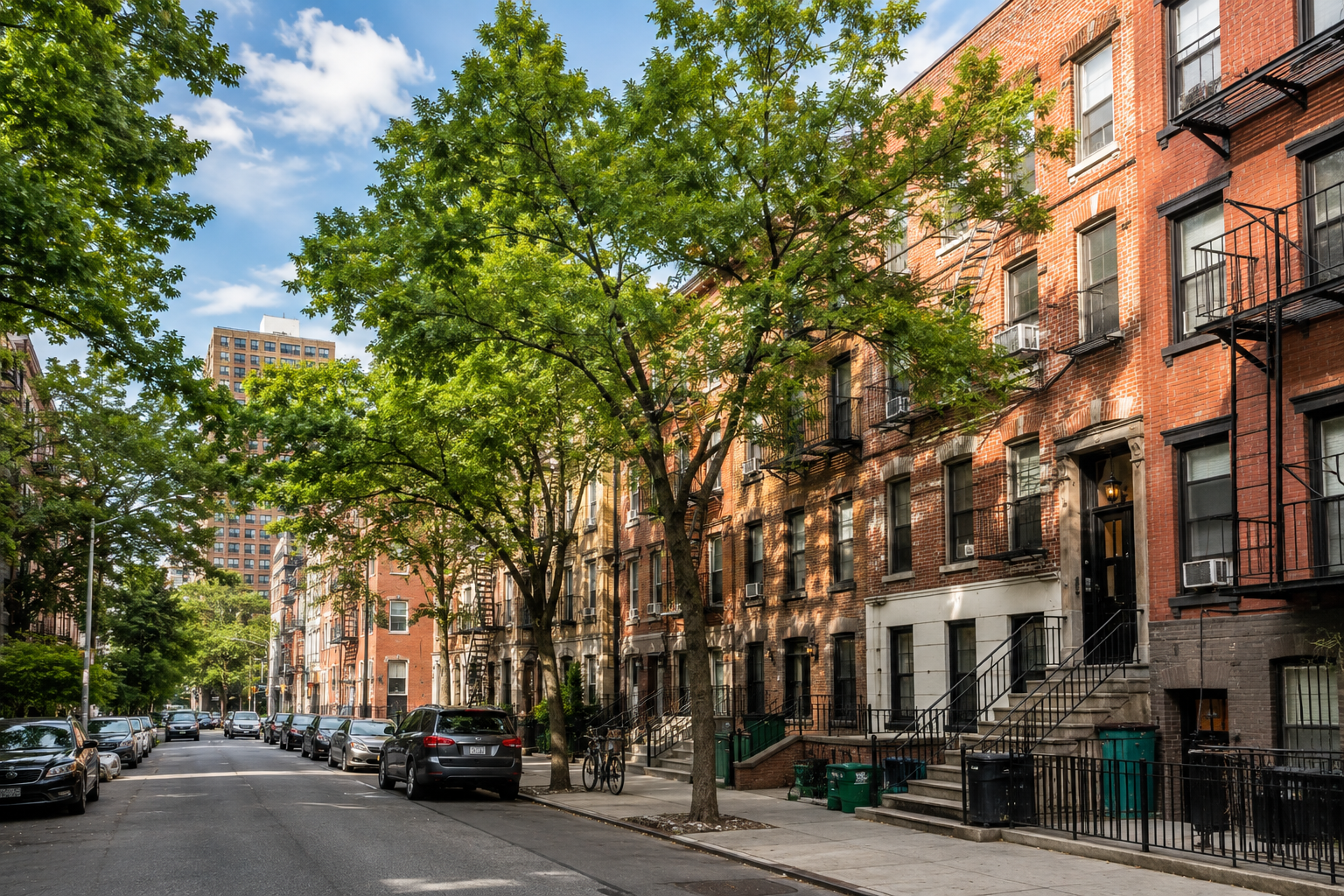
New York City remains one of the most competitive and diverse residential real estate markets in the United States. From luxury condominiums and historic townhouses in Manhattan to spacious family homes and modern apartments in Brooklyn and Queens, the city offers residential options for a wide range of lifestyles and budgets.
Choosing the best residential area in New York requires more than simply looking at property prices. Buyers and renters often consider commute times, public transportation, schools, local amenities, housing options, neighborhood character, and long-term property potential before making a decision.
For real estate investors, these factors can also influence rental demand, resale potential, and overall investment appeal. Meanwhile, families and professionals may prioritize convenience, community atmosphere, green spaces, and access to everyday services.
In this guide, we explore 15 high-demand residential areas in New York City that stand out for their location, lifestyle appeal, amenities, housing options, and continued interest from residents and property buyers.
1. Upper East Side
The Upper East Side is one of Manhattan’s most established and desirable residential neighborhoods. Located along the eastern side of Central Park, the area is known for elegant apartment buildings, classic townhouses, upscale shopping, and cultural institutions.
Its proximity to Central Park makes it particularly attractive to families, professionals, and residents who value access to outdoor recreation. The neighborhood also offers restaurants, museums, schools, healthcare facilities, and convenient transportation options.
For buyers looking for an established Manhattan location with strong residential appeal, the Upper East Side remains an important market to consider.
2. Upper West Side
Situated between Central Park and the Hudson River, the Upper West Side combines classic Manhattan architecture with a strong residential atmosphere.
The neighborhood is popular with families and professionals because of its parks, cultural institutions, restaurants, local shops, and transportation connections. Its proximity to Central Park and Riverside Park provides residents with valuable access to outdoor spaces.
A broad selection of apartments and historic residential buildings gives the Upper West Side a distinctive character that continues to attract buyers and renters.
3. Tribeca
Tribeca has evolved from its industrial past into one of Manhattan’s most prestigious residential neighborhoods. It is particularly well known for spacious lofts, luxury condominiums, historic architecture, restaurants, and a relatively quiet atmosphere.
The neighborhood’s central location provides convenient access to Lower Manhattan and nearby business districts. Waterfront parks and pedestrian-friendly streets further add to its residential appeal.
Because of its premium housing stock and limited supply, Tribeca continues to attract high-income buyers, professionals, and luxury real estate investors.
4. Brooklyn Heights
Brooklyn Heights is one of Brooklyn’s most recognizable residential neighborhoods. Its tree-lined streets, historic brownstones, and views of the Manhattan skyline give the area a distinctive residential character.
The neighborhood appeals to families and professionals who want a quieter environment while remaining close to Manhattan. The Brooklyn Heights Promenade, nearby parks, local restaurants, and convenient transportation contribute to its popularity.
For buyers interested in historic homes and established Brooklyn communities, Brooklyn Heights offers a compelling combination of location and lifestyle.
5. Williamsburg
Williamsburg has become one of Brooklyn’s best-known residential and lifestyle destinations. The neighborhood features modern apartment buildings, waterfront developments, restaurants, cafes, retail stores, and a vibrant cultural scene.
Its location across the East River from Manhattan makes it attractive to professionals who want convenient access to Manhattan while enjoying Brooklyn’s distinct neighborhood atmosphere.
Williamsburg also offers a range of housing options, from newer luxury apartments to older residential buildings, making it appealing to different types of residents.
6. Park Slope
Park Slope is widely recognized for its family-oriented residential environment and proximity to Prospect Park. The neighborhood is characterized by historic brownstones, tree-lined streets, independent businesses, restaurants, and community-focused amenities.
Families are drawn to Park Slope because of its access to parks, schools, childcare services, and neighborhood conveniences. Its strong community atmosphere also makes it attractive to long-term residents.
For people searching for a residential neighborhood with a more traditional community feel while remaining within New York City, Park Slope is a popular choice.
7. Long Island City
Long Island City (LIC) has undergone major residential development and is now one of Queens’ most prominent high-rise communities.
Located directly across the East River from Manhattan, LIC offers modern apartment buildings, waterfront parks, restaurants, cultural attractions, and impressive city views. Its transportation connections make commuting to Manhattan relatively convenient.
The combination of newer residential construction, waterfront living, and proximity to Midtown makes Long Island City particularly attractive to professionals and renters looking for modern urban housing.
8. Astoria
Astoria is a diverse Queens neighborhood known for its restaurants, cafes, local businesses, cultural variety, and residential streets.
Compared with many prime Manhattan neighborhoods, Astoria can offer a broader range of housing options at different price points. Its transportation connections to Manhattan also make it attractive to commuters.
The neighborhood’s combination of accessibility, community atmosphere, and dining options has helped maintain strong interest among young professionals, families, and long-term residents.
9. Greenwich Village
Greenwich Village is one of New York City’s most iconic neighborhoods. Its historic streets, artistic heritage, restaurants, cafes, independent businesses, and distinctive architecture give it a character that is difficult to replicate elsewhere.
The neighborhood is also closely associated with New York University and numerous cultural attractions. Its central Manhattan location provides residents with easy access to shopping, dining, entertainment, and transportation.
Although housing costs can be substantial, Greenwich Village remains highly desirable among buyers and renters seeking a distinctive Manhattan lifestyle.
10. Chelsea
Chelsea combines residential living with art, culture, dining, shopping, and entertainment. The neighborhood is home to numerous art galleries and is closely associated with the High Line, one of Manhattan’s most recognizable elevated public parks.
Chelsea offers a mixture of luxury apartments, condominiums, historic buildings, and modern residential developments. Its convenient location provides access to several major Manhattan neighborhoods and transportation options.
The combination of cultural attractions, walkability, and residential development makes Chelsea a consistently popular area for professionals and property buyers.
11. Harlem
Harlem is a historically significant Manhattan neighborhood that has experienced substantial residential investment and redevelopment.
The area offers a mixture of historic brownstones, apartment buildings, restaurants, cultural venues, and local businesses. Improvements and new developments in different parts of Harlem have expanded its housing options.
For buyers interested in Manhattan real estate outside the city’s most expensive central neighborhoods, Harlem can offer a different combination of historic character, accessibility, and residential opportunity.
12. Battery Park City
Battery Park City is a planned residential community located along the Hudson River in Lower Manhattan. The neighborhood is known for waterfront parks, landscaped public spaces, modern residential buildings, and pedestrian-friendly streets.
Its location near the Financial District makes it particularly convenient for professionals working in Lower Manhattan. Residents also benefit from access to parks, restaurants, schools, and waterfront recreation.
For people looking for a quieter residential environment while remaining close to major Manhattan business districts, Battery Park City is an attractive option.
13. Forest Hills
Forest Hills offers a different residential experience from many of Manhattan’s high-density neighborhoods. Located in Queens, the area is known for tree-lined streets, residential homes, apartment buildings, parks, and a suburban-style atmosphere.
Its transportation connections provide access to Manhattan while allowing residents to enjoy a more relaxed neighborhood setting. Families and professionals often consider Forest Hills when they want more residential space without leaving New York City.
The neighborhood’s combination of transportation, local amenities, and housing variety contributes to its long-standing residential appeal.
14. Dumbo
Dumbo, short for Down Under the Manhattan Bridge Overpass, is one of Brooklyn’s most recognizable waterfront neighborhoods.
The area features converted industrial buildings, luxury apartments, modern developments, restaurants, creative businesses, and spectacular views of Manhattan and the Brooklyn Bridge.
Dumbo’s location between the Manhattan and Brooklyn Bridges provides excellent access to Lower Manhattan while maintaining a distinctive Brooklyn atmosphere. Its limited size and premium location also contribute to strong demand for residential properties.
15. SoHo
SoHo is internationally recognized for its cast-iron architecture, artistic history, luxury shopping, restaurants, galleries, and loft-style residences.
The neighborhood sits in a highly central part of Manhattan, making it convenient for residents who want quick access to Downtown Manhattan and surrounding areas.
Residential properties in SoHo are often associated with premium pricing, particularly for distinctive lofts and properties in historic buildings. Its combination of architecture, location, shopping, dining, and cultural appeal keeps it among New York City’s most recognizable residential markets.
How to Choose the Best Residential Area in New York
The best neighborhood depends on your personal priorities, budget, and long-term plans. Before renting or purchasing a property, consider several important factors.
Location and Commute
A convenient commute can significantly improve day-to-day life. Check subway lines, bus routes, train connections, and typical travel times to work, school, or other frequently visited locations.
Housing Prices and Monthly Costs
Compare purchase prices or rents across neighborhoods, but also consider property taxes, homeowners association or maintenance fees, insurance, utilities, and other recurring expenses.
Schools and Family Amenities
Families may want to research nearby schools, childcare options, parks, libraries, healthcare facilities, and recreational activities before choosing a neighborhood.
Neighborhood Lifestyle
Different areas offer very different lifestyles. Some are quiet and residential, while others are centered around nightlife, restaurants, shopping, arts, or business activity.
Property and Rental Demand
If you are purchasing as an investment, research historical property trends, rental demand, vacancy levels, new construction, and local development plans rather than relying solely on a neighborhood’s reputation.
Future Development
New transportation projects, commercial developments, public spaces, and residential construction can influence the future appeal of a neighborhood. However, development projections should always be verified using current local information.
Frequently Asked Questions About High-Demand Residential Areas in New York
1. What makes a New York neighborhood highly desirable?
Location, transportation, housing options, schools, parks, local amenities, neighborhood character, and access to employment centers can all influence residential demand. Limited housing supply can also contribute to competition in certain areas.
2. Which New York neighborhoods are popular with families?
Park Slope, Upper West Side, Brooklyn Heights, and Forest Hills are commonly considered family-oriented neighborhoods because of their residential character, parks, schools, and community amenities.
3. Are Brooklyn neighborhoods a good alternative to Manhattan?
For many residents, yes. Brooklyn offers a wide variety of neighborhoods and housing options, while areas such as Williamsburg, Brooklyn Heights, Park Slope, and Dumbo provide convenient access to Manhattan.
4. Why is Manhattan real estate so expensive?
Manhattan has limited land, a high concentration of employment and cultural destinations, extensive transportation infrastructure, and strong demand for housing. These factors can contribute to premium property prices in desirable locations.
5. Is Queens a good place to live?
Queens offers diverse neighborhoods, housing options, restaurants, parks, and transportation connections. Astoria, Long Island City, and Forest Hills are examples of areas that attract a variety of residents.
6. Which neighborhoods are popular with young professionals?
Williamsburg, Long Island City, Chelsea, Greenwich Village, and other centrally located neighborhoods are popular with professionals who prioritize commuting convenience, restaurants, entertainment, and an active urban lifestyle.
7. Are waterfront homes more expensive in New York?
Waterfront properties can command a premium because of views, location, amenities, and limited supply. However, pricing varies significantly depending on the building, neighborhood, property type, and current market conditions.
8. How important is public transportation when choosing a neighborhood?
Public transportation is a major consideration for many New York residents. Neighborhoods with convenient subway, bus, and train connections can be particularly attractive to people who commute regularly.
9. Is New York residential real estate a good investment?
New York has a large and diverse housing market, but real estate investment always involves financial risk. Potential investors should evaluate purchase price, financing costs, taxes, maintenance, rental income, local regulations, vacancy risk, and long-term market conditions before making a decision.
10. What should I check before buying a home in New York?
Buyers should consider the property’s total cost, location, transportation, building condition, property taxes, maintenance or HOA fees, local amenities, comparable properties, and potential resale or rental demand. A qualified real estate professional and appropriate legal or financial advisors can also help with the due-diligence process.
Conclusion
New York City offers an extraordinary range of residential neighborhoods, from luxury Manhattan communities to family-friendly areas in Brooklyn and Queens. Neighborhoods such as the Upper East Side, Upper West Side, Tribeca, Brooklyn Heights, Williamsburg, Park Slope, Long Island City, Astoria, Chelsea, and Dumbo each provide different advantages depending on lifestyle, budget, commute, and housing preferences.
The right neighborhood is ultimately a personal decision. Buyers, renters, and investors should compare current housing costs, transportation, amenities, property conditions, and local market trends before making a decision.
For anyone researching the best high-demand residential areas in New York, these 15 neighborhoods provide a strong starting point for comparing some of the city’s most established and sought-after residential markets.