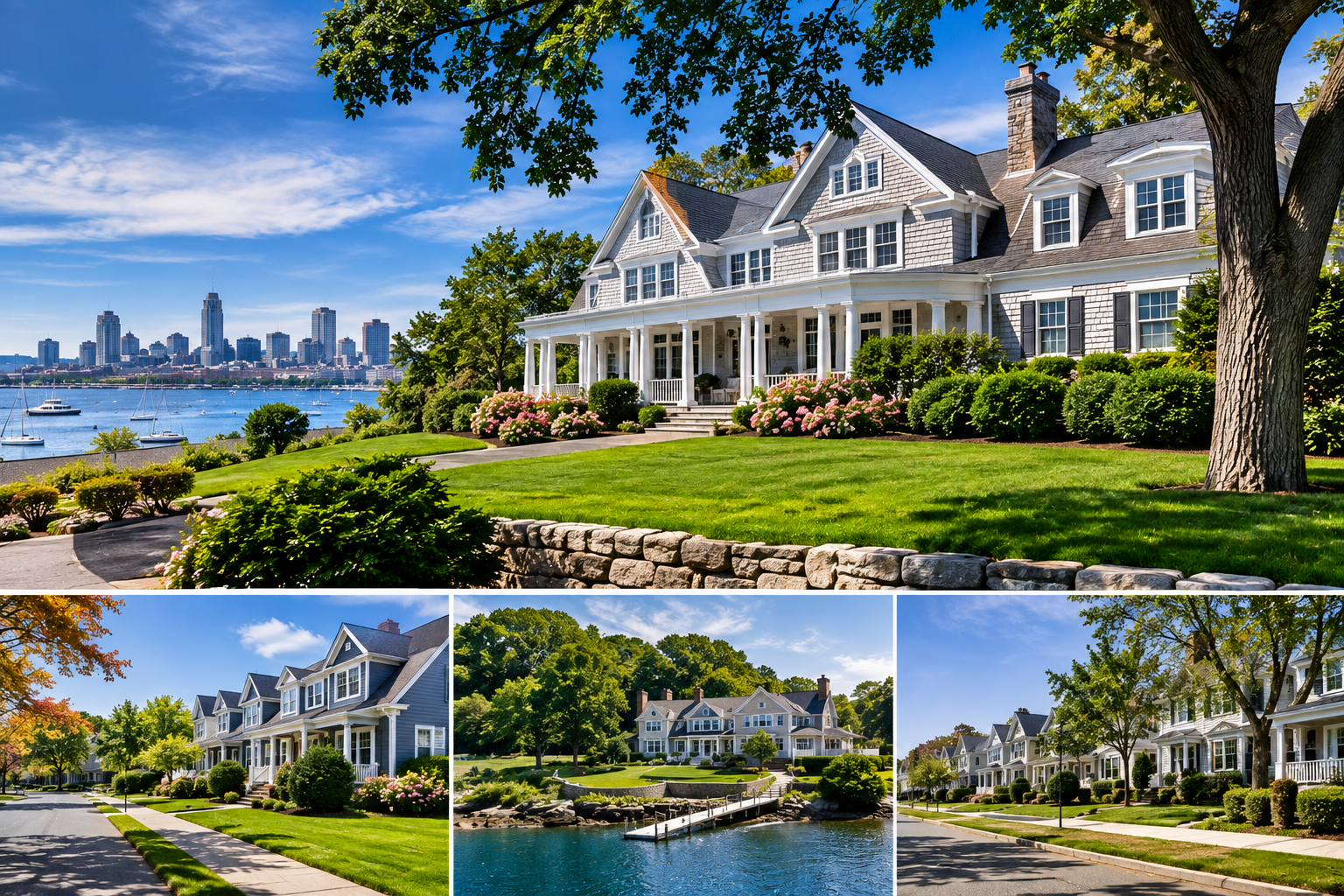
Massachusetts is one of the most desirable real estate markets in the United States, offering a combination of historic neighborhoods, modern cities, strong employment opportunities, and attractive residential communities. From the busy streets of Boston to the waterfront neighborhoods of Quincy and the urban environment of Cambridge, the state provides a wide variety of condominium living options.
Private condominiums are particularly appealing to buyers who want the benefits of homeownership without the maintenance responsibilities that often come with a traditional single-family home. Many condominium communities provide shared amenities, professional property management, secure parking, recreational facilities, and convenient access to public transportation.
For professionals, families, retirees, and investors, condominium living can provide a practical balance between convenience, location, and lifestyle. However, the right property depends on factors such as budget, location, association fees, building condition, and community rules.
In this guide, we explore 15 notable private condominium communities and residential developments in Massachusetts. The list focuses on location, design, amenities, accessibility, and overall residential appeal. Availability, pricing, and building policies can change, so prospective buyers should verify current information before making a purchase.
Why Are Private Condominiums Popular in Massachusetts?
Condominium living has become increasingly popular in Massachusetts, particularly in urban and highly developed areas where land is limited and housing demand is strong.
One of the main advantages is convenience. Condominium associations typically handle common-area maintenance, landscaping, building management, and other shared responsibilities. This can reduce the amount of routine maintenance required from individual owners.
Many condominium buildings are also located near offices, universities, restaurants, shopping centers, healthcare facilities, and public transportation. This makes them especially attractive to people who prefer a connected urban or suburban lifestyle.
Another advantage is access to shared amenities. Depending on the development, residents may have access to fitness centers, swimming pools, rooftop terraces, lounges, parking facilities, outdoor spaces, or concierge services.
Top 15 Private Condominiums and Residential Communities in Massachusetts
1. Millennium Tower – Boston
Millennium Tower is a prominent luxury condominium development in Downtown Boston. The high-rise building is known for its contemporary architecture, premium residences, and central location.
Residents have access to a range of shared amenities and services, including fitness facilities, private gathering spaces, and concierge services. Its location in Downtown Crossing also provides convenient access to restaurants, shopping, entertainment, and public transportation.
For buyers interested in luxury urban living, Millennium Tower represents one of the high-profile condominium options in Boston.
2. The Clarendon – Boston
The Clarendon is a residential condominium tower located in Boston’s Back Bay neighborhood. The building combines modern residential design with a location surrounded by historic architecture and city attractions.
Residences feature contemporary layouts and large windows, while building amenities may include fitness facilities, shared lounges, and concierge services.
Its proximity to Newbury Street, public transportation, restaurants, and cultural attractions makes the area attractive to residents who enjoy a central Boston lifestyle.
3. One Dalton – Boston
One Dalton is a luxury residential tower located near Boston’s Back Bay and cultural district. The building is recognized for its distinctive architecture, upscale residences, and extensive resident amenities.
Depending on the residence and building services, residents may have access to private dining areas, wellness facilities, concierge services, and other premium features.
Its central location makes it convenient for accessing Boston’s restaurants, shopping areas, entertainment venues, and cultural institutions.
4. The Residences at W Boston – Boston
The Residences at W Boston offer condominium-style urban living in the heart of Boston’s Theater District.
The property provides residents with convenient access to theaters, restaurants, shopping areas, and public transportation. Shared services and amenities contribute to a lifestyle that combines residential convenience with a hotel-inspired environment.
It can be an appealing option for buyers who prefer being close to Boston’s entertainment and business districts.
5. Pier 4 Residences – Boston Seaport
Pier 4 Residences is a waterfront condominium development in Boston’s Seaport District. Its location provides residents with access to harbor views, waterfront walkways, restaurants, parks, and cultural attractions.
The development features modern residences and shared amenities designed around contemporary urban living.
The Seaport’s continued development has also increased the area’s appeal among professionals and buyers looking for modern waterfront housing.
6. Twenty Two Liberty – Boston
Twenty Two Liberty is another notable residential development in Boston’s Seaport neighborhood. The building combines waterfront surroundings with modern condominium residences.
Many residences feature contemporary layouts and large windows, while residents can benefit from shared facilities and convenient access to the Harborwalk.
The surrounding Seaport area offers restaurants, offices, entertainment venues, and outdoor spaces, creating a convenient environment for urban residents.
7. The Boulevard – Boston
The Boulevard is a modern residential development in Boston’s Fenway neighborhood. Its location provides convenient access to universities, hospitals, parks, restaurants, and entertainment venues.
The development offers contemporary residential spaces and shared amenities designed for urban living.
For buyers who want a condominium close to Boston’s academic and medical institutions, the Fenway area can be an attractive location to explore.
8. Regatta Riverview – Cambridge
Regatta Riverview is a residential condominium community located near the Charles River in Cambridge.
The property offers residents scenic surroundings while maintaining convenient access to Boston and Cambridge’s employment and educational centers.
Amenities and facilities can include recreational areas, fitness facilities, parking, and shared community spaces. Its location is particularly appealing to people who value access to both urban amenities and outdoor environments.
9. University Green – Cambridge
University Green is a condominium community in Cambridge that provides convenient access to the city’s universities, research institutions, restaurants, and transportation network.
The area is particularly appealing to academics, professionals, and residents who want to live close to Cambridge’s major employment and educational centers.
Buyers should review individual units, association fees, building policies, and current availability before considering a purchase.
10. Kendall Square Residential Communities – Cambridge
Kendall Square is one of Cambridge’s most prominent technology and innovation districts. The area includes a variety of residential buildings and condominium opportunities.
Living in this part of Cambridge provides convenient access to technology companies, research organizations, restaurants, public transportation, and the Charles River.
For professionals working in technology, biotechnology, and research, condominium living around Kendall Square can offer significant location convenience.
11. Neponset Landing – Quincy
Neponset Landing is a residential development in Quincy near the Neponset River. Its waterfront setting provides a quieter atmosphere while maintaining access to Boston and surrounding communities.
Residents can enjoy nearby walking areas, open spaces, and convenient transportation connections.
The location may appeal to buyers who want a suburban or waterfront environment without moving too far from Boston.
12. Marina Bay Condominiums – Quincy
Marina Bay is a waterfront community in Quincy known for its marina, restaurants, outdoor spaces, and coastal atmosphere.
Condominium residences in the area offer residents access to a lifestyle centered around the waterfront. The neighborhood also provides transportation connections to Boston and other parts of Greater Boston.
For buyers who enjoy outdoor spaces and waterfront surroundings, Marina Bay is an area worth exploring.
13. Brookline Place Condominiums – Brookline
Brookline is one of the most desirable residential communities surrounding Boston, offering a mix of historic homes, apartments, and condominium developments.
Condominium living in Brookline provides access to parks, restaurants, schools, public transportation, and Boston’s employment centers.
The community is particularly attractive to buyers who want a residential neighborhood atmosphere while remaining close to the city.
14. The Village at Chestnut Hill – Chestnut Hill
The Village at Chestnut Hill is a residential community offering condominium and townhome-style living in a suburban setting near Boston.
The area provides convenient access to shopping, restaurants, green spaces, and transportation routes.
Its combination of landscaped surroundings and proximity to Boston makes Chestnut Hill an appealing option for buyers seeking a quieter residential environment without giving up urban convenience.
15. Station Landing – Medford
Station Landing is a mixed-use residential development in Medford located near major transportation connections.
The development offers convenient access to shops, restaurants, services, and public transportation, making daily commuting easier for residents.
Its location is particularly useful for professionals who need regular access to Boston while preferring to live outside the city’s central neighborhoods.
Factors to Consider Before Buying a Condominium in Massachusetts
Buying a condominium involves more than comparing the purchase price of different units. Buyers should evaluate the entire cost of ownership and understand how the condominium association operates.
Location
Consider the property’s distance from work, schools, healthcare facilities, shopping areas, and public transportation.
Monthly Association Fees
Condominium owners generally pay monthly association fees. These may cover common-area maintenance, building insurance, landscaping, security, utilities for shared spaces, and other services.
Building Condition
Review the age and condition of the building, recent maintenance work, and any planned major repairs.
Association Finances
A financially healthy condominium association can be important for long-term ownership. Buyers should review available financial documents and understand whether the association has adequate reserves for future maintenance.
Community Rules
Condominium associations may have rules regarding pets, renovations, rentals, parking, noise, and other aspects of residential life.
Resale and Rental Considerations
If you may sell or rent the unit in the future, check local market conditions and the condominium association’s rental policies before purchasing.
Benefits of Living in a Private Condominium
Private condominium living can offer several advantages for people who prefer convenience and shared amenities.
Lower Maintenance Responsibilities
Common areas, landscaping, and many exterior maintenance tasks are typically handled through the condominium association.
Access to Amenities
Depending on the property, residents may have access to gyms, pools, lounges, rooftop spaces, parking facilities, and other shared amenities.
Convenient Locations
Many condominiums are located near transportation, workplaces, universities, restaurants, shopping centers, and entertainment areas.
Security and Building Services
Some condominium communities offer controlled building access, security systems, front-desk services, or concierge assistance.
Community Environment
Shared spaces can provide opportunities for residents to interact with neighbors and participate in community activities.
FAQs About Private Condominiums in Massachusetts
1. What is a private condominium?
A private condominium is a residential property in which individual units are privately owned while common areas are jointly managed by the condominium association. Shared spaces may include hallways, elevators, parking areas, gardens, fitness facilities, and recreational amenities.
2. Are condominiums a good investment in Massachusetts?
A condominium can be a suitable investment depending on its location, purchase price, rental demand, operating costs, and broader market conditions. Areas with strong employment, transportation, and housing demand may offer attractive opportunities, but buyers should evaluate each property individually.
3. What amenities are common in Massachusetts condominiums?
Amenities vary by building. Common features include fitness centers, parking, elevators, shared lounges, rooftop terraces, swimming pools, outdoor spaces, security systems, and concierge services.
4. How much does a private condominium cost in Massachusetts?
Prices vary significantly depending on the city, neighborhood, unit size, building age, amenities, and market conditions. Luxury condominiums in central Boston can be substantially more expensive than properties in surrounding communities.
5. What are condominium association fees?
Condominium association fees are recurring payments made by owners to help cover shared building expenses. These may include maintenance, landscaping, insurance for common areas, building management, and certain utilities or amenities.
6. Are condominiums suitable for families?
Yes. Many condominium communities offer larger units and convenient access to schools, parks, transportation, and community services. Families should also review building rules and available amenities before purchasing.
7. Can condominium owners rent out their units?
Some condominium associations allow owners to rent their units, while others impose restrictions on rentals or short-term stays. Buyers should review the association’s current rules before purchasing if rental income is part of their plans.
8. Who is responsible for condo maintenance?
The condominium association generally handles common areas and shared building systems, while owners are typically responsible for maintaining the interior of their individual units. Exact responsibilities depend on the condominium’s governing documents.
9. Is condominium living suitable for retirees?
Condominiums can be convenient for retirees because they may reduce exterior maintenance responsibilities and provide access to amenities and services. Buildings with elevators, accessible entrances, parking, and nearby healthcare facilities may be particularly useful.
10. What should I check before buying a condominium?
Before purchasing, review the unit’s condition, association fees, financial documents, insurance arrangements, building maintenance history, community rules, rental policies, and any planned assessments or major repairs.
Conclusion
Massachusetts offers a diverse selection of private condominium communities, ranging from luxury high-rise residences in Boston to waterfront developments in Quincy and residential communities around Cambridge and Medford.
The best condominium for a buyer will depend on individual priorities such as budget, location, amenities, maintenance costs, transportation, and long-term plans. A property that works well for a downtown professional may not necessarily be the right choice for a family or retiree.
Before making a purchase, buyers should compare several properties, review condominium association documents carefully, and consider the total cost of ownership rather than focusing only on the purchase price.
With proper research and careful evaluation, condominium living can provide a convenient and comfortable way to enjoy the Massachusetts real estate market.