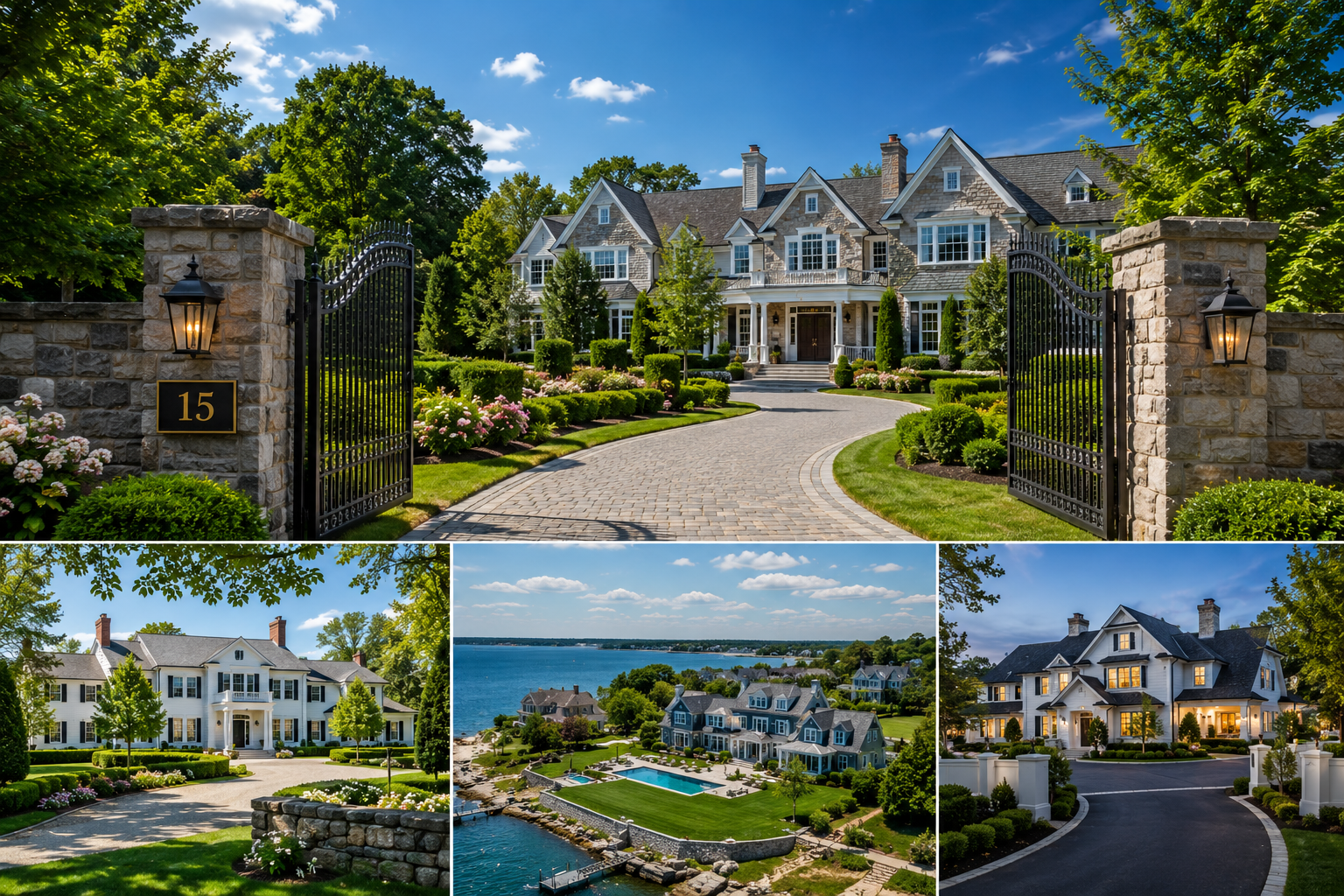
Massachusetts is one of the most sought-after states in the United States for people looking for career opportunities, quality education, strong healthcare, and diverse communities. From the urban neighborhoods surrounding Boston to quiet suburban towns and historic coastal communities, the state offers a wide variety of places to live.
The Massachusetts housing market attracts families, students, professionals, retirees, and real estate investors. Areas with convenient transportation, highly regarded schools, access to employment centers, and desirable amenities often experience strong housing demand.
Communities around Boston and Cambridge are particularly popular because of their proximity to major universities, hospitals, technology companies, financial institutions, and other employers. At the same time, many suburban and regional cities provide alternatives for people looking for more space or different price points.
In this guide, we explore 15 Massachusetts cities and towns that are worth considering when looking for a high-demand residential area. Rather than presenting an official ranking, this list highlights communities with characteristics that can make them attractive to different types of residents.
Why Is Massachusetts a Popular Place to Live?
Massachusetts combines a strong economy with a rich history, excellent educational institutions, healthcare facilities, cultural attractions, and diverse residential communities.
The Greater Boston area is home to internationally recognized universities, hospitals, research institutions, technology companies, and financial organizations. This concentration of employment and education contributes to continued housing demand in many nearby communities.
Beyond Boston, residents can find smaller cities, suburban towns, coastal communities, and rural areas. This variety allows people to choose a location based on their budget, commute, lifestyle, and housing preferences.
15 High-Demand Residential Areas in Massachusetts
1. Cambridge
Cambridge is one of the most prominent residential markets in the Boston metropolitan area. Located across the Charles River from Boston, the city is home to Harvard University and the Massachusetts Institute of Technology.
Its combination of education, research, technology, employment opportunities, restaurants, cultural attractions, and public transportation makes it attractive to students, professionals, academics, and families.
Housing costs can be relatively high, so prospective buyers and renters should carefully compare neighborhoods, property types, and transportation options.
2. Brookline
Brookline offers a suburban environment while remaining closely connected to Boston.
The community is known for tree-lined residential streets, historic properties, parks, local businesses, and access to public transportation. Its location makes it attractive to people who want to live near Boston without living in the city itself.
Brookline’s housing market includes apartments, condominiums, historic homes, and other residential properties, giving prospective residents several options to explore.
3. Newton
Newton is a large suburban community made up of multiple villages, each with its own character.
The city is popular among families and professionals because of its residential neighborhoods, parks, schools, local businesses, and access to Boston-area employment centers.
For buyers, comparing individual villages can be useful because housing prices, property types, and commuting options can differ throughout the city.
4. Somerville
Somerville has become a popular residential choice for people who want an urban lifestyle close to Boston.
Neighborhoods around areas such as Davis Square and Assembly Square offer restaurants, shops, entertainment, and access to public transportation. The city’s proximity to Cambridge and Boston also makes it attractive to students and professionals.
Its mix of older homes, apartments, condominiums, and newer developments gives residents a variety of housing choices.
5. Lexington
Lexington combines suburban living with a significant place in American history.
The town is well known for its Revolutionary War heritage, residential neighborhoods, green spaces, and schools. Its location near major employment corridors also makes it attractive to professionals working in the Boston metropolitan area.
Lexington can be particularly appealing to families who prioritize space, community amenities, and access to employment centers.
6. Waltham
Waltham provides a combination of residential and commercial development west of Boston.
The city is home to Brandeis University and has access to employment opportunities in technology, healthcare, research, and other industries. Its location along major transportation routes also makes it useful for commuters.
Compared with some nearby communities, Waltham offers a broader range of housing types and price points, although costs vary by neighborhood and property.
7. Arlington
Arlington is located northwest of Cambridge and offers a suburban environment with convenient access to the Boston area.
The town is known for residential neighborhoods, local businesses, parks, and access to recreational destinations such as the Minuteman Bikeway.
Its combination of community amenities and commuting options makes Arlington attractive to families, professionals, and people who prefer a quieter environment close to the city.
8. Belmont
Belmont is a residential community situated between Cambridge and Waltham.
The town offers a quieter suburban atmosphere while maintaining convenient access to nearby employment and educational centers. Its residential character and proximity to Boston make it a popular option for people who want suburban living without moving too far from the metropolitan area.
Housing options include traditional homes, condominiums, and other residential properties.
9. Quincy
Quincy is a coastal city located south of Boston and offers a combination of waterfront living and urban convenience.
The city has access to the MBTA Red Line, making it possible for many residents to commute to Boston without relying entirely on a private vehicle.
Quincy also offers restaurants, shopping, parks, historic attractions, and a range of residential properties. These characteristics make it worth considering for buyers and renters who want access to Boston while exploring alternatives to the city’s housing market.
10. Medford
Medford is located north of Boston and has become increasingly connected to the broader metropolitan transportation network.
The city is home to Tufts University and offers access to parks, restaurants, local businesses, and residential neighborhoods.
Its proximity to Boston, Cambridge, and other employment centers makes Medford appealing to students, professionals, and families looking for a combination of convenience and residential living.
11. Framingham
Framingham is a major city west of Boston and serves as an important commercial and residential center.
The city offers a variety of housing options, shopping destinations, restaurants, employment opportunities, and transportation connections.
For people who want to live outside Boston while maintaining access to the metropolitan area, Framingham can be an option worth exploring. Housing affordability can vary substantially depending on the neighborhood and property type.
12. Needham
Needham is a suburban community located southwest of Boston.
The town is known for its residential character, community facilities, green spaces, and access to Boston-area employment centers. Commuter rail connections can also be useful for residents who work in Boston.
Needham is particularly attractive to people looking for a quieter suburban environment while remaining within reach of the metropolitan area.
13. Andover
Andover is a historic community in Essex County with a suburban atmosphere and a well-established residential market.
The town features traditional neighborhoods, local businesses, green spaces, and access to major transportation routes.
Andover can appeal to families and professionals looking for more suburban surroundings while maintaining access to employment centers in the Greater Boston region.
14. Salem
Salem is one of Massachusetts’ best-known historic coastal communities.
Although the city attracts significant tourism because of its history and cultural attractions, Salem is also a residential community with restaurants, shops, waterfront areas, public transportation, and a variety of housing options.
Its commuter rail connection to Boston can be an advantage for residents who want coastal living while maintaining access to the metropolitan job market.
15. Worcester
Worcester is the second-largest city in Massachusetts and serves as an important educational, healthcare, and employment center.
The city has a diverse housing market and can offer different options compared with many of the higher-cost communities closer to Boston.
Worcester’s colleges, hospitals, restaurants, cultural attractions, and ongoing development make it an important residential market in Central Massachusetts.
What Makes a Residential Area High Demand?
Housing demand can be influenced by several factors. No single characteristic determines whether an area will remain popular, but the following factors often matter to buyers and renters.
Employment Opportunities
Areas located near major employers, hospitals, universities, research centers, and business districts can attract workers who want shorter or more convenient commutes.
Transportation
Access to subway stations, commuter rail, buses, major highways, and other transportation options can influence housing demand.
Schools
Families often consider school quality when selecting a residential community. However, school offerings and district boundaries can change, so prospective buyers should verify current information directly with local authorities.
Housing Supply
When the number of available homes is limited relative to buyer demand, competition can increase.
Local Amenities
Restaurants, grocery stores, parks, recreational facilities, cultural attractions, healthcare services, and shopping centers can contribute to a community’s appeal.
Neighborhood Character
Some people prefer urban neighborhoods with walkable streets and nightlife, while others prioritize quiet residential areas, larger yards, or access to nature.
Massachusetts Housing Market: What Buyers Should Consider
Massachusetts contains many different local housing markets, so statewide trends do not necessarily reflect what is happening in every city or town.
Before purchasing a property, buyers should consider:
- Current home prices
- Property taxes
- Mortgage rates
- Available housing inventory
- Homeowners association fees
- Insurance costs
- Property condition
- Commuting expenses
- Local development
- Long-term housing needs
Renters should similarly compare monthly rent, utilities, transportation costs, parking, lease terms, and neighborhood amenities.
Best Massachusetts Areas for Different Lifestyles
Different residential areas may appeal to different types of residents.
For Families
Newton, Lexington, Brookline, Belmont, Arlington, and Needham may appeal to families looking for suburban surroundings and access to schools and community amenities.
For Young Professionals
Cambridge, Somerville, Waltham, Medford, and Quincy offer combinations of employment access, restaurants, entertainment, and transportation.
For Commuters
Communities with access to the MBTA system or major transportation routes can be attractive to people working in Boston and surrounding employment centers.
For Coastal Living
Salem and Quincy offer coastal environments while maintaining relatively convenient access to the Boston metropolitan area.
For Buyers Seeking Different Price Points
Worcester and some communities farther from Boston may provide a broader range of housing options, although affordability varies by neighborhood and property type.
Frequently Asked Questions
Why are homes near Boston so expensive?
Boston is a major center for education, healthcare, technology, finance, research, and other industries. Strong demand combined with limited housing supply in many desirable communities can contribute to higher housing costs.
Which Massachusetts areas are popular with families?
Communities such as Newton, Lexington, Brookline, Belmont, Arlington, and Needham are often attractive to families because of their suburban environments, schools, parks, and access to Boston-area employment.
Is Cambridge a good place to buy property?
Cambridge has strong demand due to its universities, research institutions, employment opportunities, and proximity to Boston. However, property prices can be high, so buyers should evaluate purchase costs, taxes, financing, and long-term goals carefully.
Are there more affordable residential areas in Massachusetts?
Relative affordability varies by location and changes over time. Communities farther from central Boston, including parts of Worcester and other regional cities, may offer different price points than the most expensive Boston-area suburbs.
What should I consider when choosing where to live in Massachusetts?
Consider your budget, commute, schools, transportation, healthcare access, property taxes, neighborhood amenities, housing type, and preferred lifestyle.
Is public transportation available in Massachusetts?
Yes. The Greater Boston area is served by the MBTA’s subway, bus, commuter rail, and other transit services. Access varies considerably by community, so residents should check current routes and schedules for their specific location.
Which areas are popular with young professionals?
Cambridge, Somerville, Medford, Waltham, and Quincy can be attractive to young professionals because of their access to employment centers, transportation, restaurants, entertainment, and educational institutions.
Are Massachusetts coastal communities good places to live?
Coastal communities can provide attractive scenery, recreational opportunities, and unique lifestyles. However, buyers should also consider flood exposure, insurance costs, storm risks, and property maintenance before purchasing near the water.
Is Worcester becoming a popular residential market?
Worcester remains an important regional city with universities, healthcare institutions, employment opportunities, and a diverse housing market. Its distance from Boston and different housing options make it worth considering for people comparing Greater Boston with Central Massachusetts.
Should I buy a home in a high-demand area?
High demand can be one factor to consider, but it should not be the only reason to purchase a property. Buyers should evaluate affordability, financing, property condition, taxes, insurance, neighborhood characteristics, and their long-term housing needs.
Final Thoughts
Massachusetts offers a wide variety of residential communities, from highly connected urban areas such as Cambridge and Somerville to suburban communities such as Newton, Lexington, Belmont, and Needham. Coastal locations such as Salem and Quincy provide another lifestyle option, while Worcester offers a major regional market outside Greater Boston.
The ideal residential area depends on your budget, employment location, family needs, transportation preferences, and lifestyle.
Instead of choosing a community simply because it appears on a “best” list, compare current housing costs, local services, transportation, property taxes, schools, and neighborhood conditions. Taking a broader approach can help buyers and renters identify a Massachusetts community that fits both their immediate needs and long-term plans.